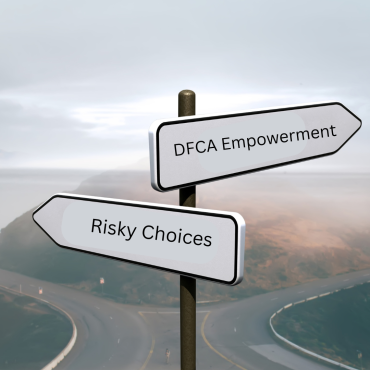
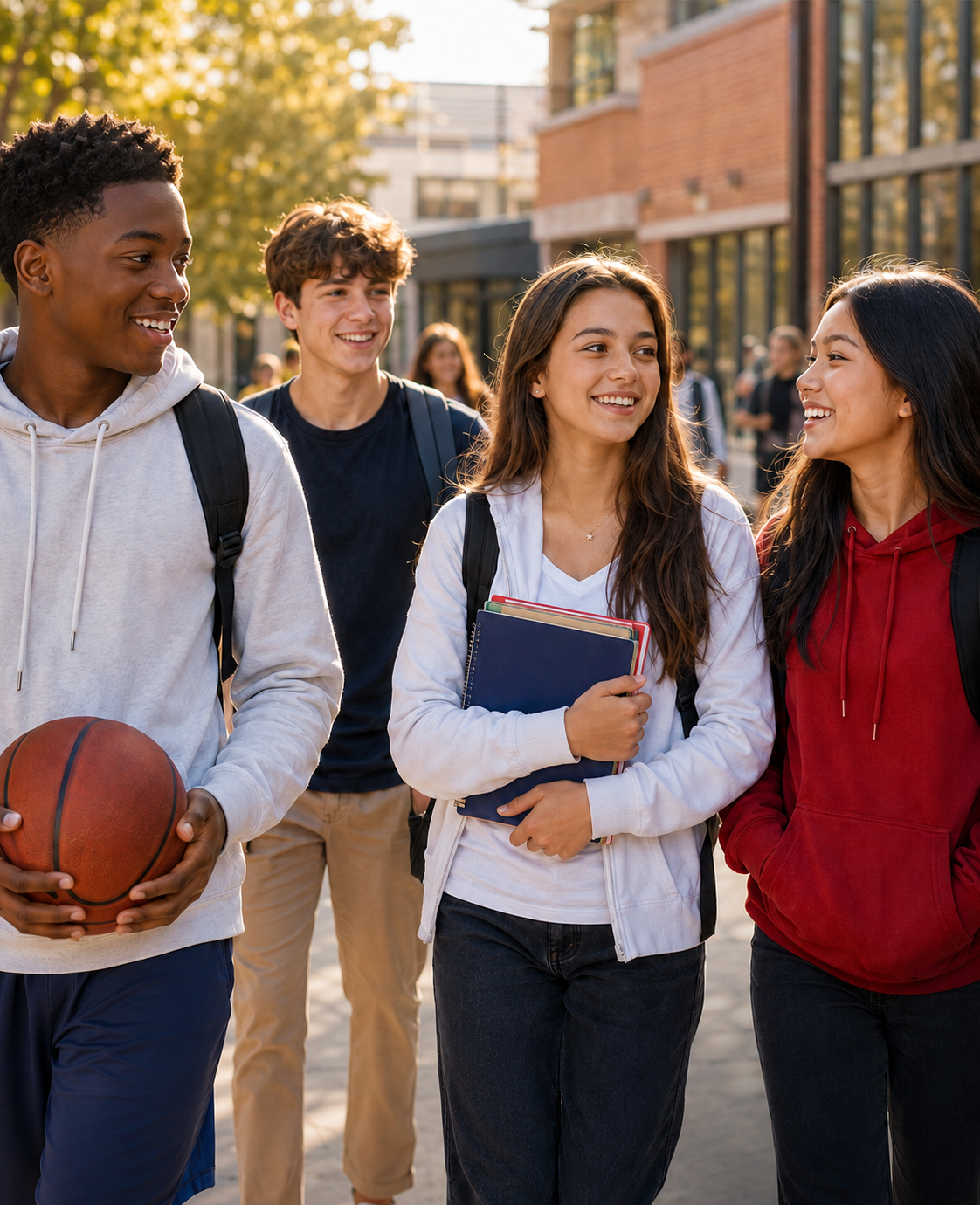
Back to School, Drug-Free: Building a Year of Strong Choices
A new school year brings fresh opportunities, new routines, and important goals. It can also bring academic pressure, changing friendships, social expectations, and unfamiliar situations.
Preparing students for these challenges requires more than new school supplies and a completed schedule. Young people also need healthy habits, supportive relationships, practical coping skills, and trusted adults who will listen without immediately judging them.
Here are five ways students can begin the school year with a clear mind and the confidence to make choices that support their future.
1. Protect Your Sleep
Sleep is often one of the first things students sacrifice when school becomes busy. Homework, activities, social media, and late-night conversations can quickly push rest to the bottom of the priority list.
However, sleep affects concentration, mood, memory, and decision-making. When students are exhausted, everyday challenges can feel more overwhelming and it may become harder to respond thoughtfully in stressful situations.
A consistent bedtime, a quieter evening routine, and putting the phone down before sleep can make a meaningful difference. Rest is not wasted time. It is part of being prepared.
2. Choose Friends Who Support Your Goals
Friendships can have a powerful influence on a young person’s choices.
Supportive friends do not need to agree about everything. They do, however, respect boundaries, celebrate one another’s progress, and allow each person to be themselves.
Students can reflect on their friendships by asking:
- Do my friends respect my “no”?
- Can I be honest around them?
- Do they encourage the goals that matter to me?
- Do I feel supported, or do I regularly feel pressured?
The right circle will not ask someone to abandon their values simply to belong.
3. Recognize Subtle Peer Pressure
Peer pressure is not always loud or obvious. It may be disguised as a joke, a challenge, or an attempt to prove friendship.
It can sound like:
- “Don’t be so boring.”
- “If you were really my friend, you would.”
- “Come on. Just this once.”
- “Everyone does it.”
- “Fine. We just won’t invite you.”
Teasing, guilt, exclusion, and repeated asking are all forms of pressure. If someone continues pushing after an answer has been given, that person is not respecting the boundary.
Students do not owe anyone a long explanation. A clear “No, I’m not interested,” followed by changing the subject or leaving the situation, can be enough.
4. Build a Healthy Coping Toolkit
Every student will experience difficult days. Stress, disappointment, loneliness, conflict, and academic pressure are normal parts of life, but young people need healthy ways to manage them.
A coping toolkit may include:
- Physical activity
- Music or creative hobbies
- Journaling
- Breathing exercises
- Spending time outside
- Talking to someone trustworthy
- Taking a short break before reacting
A difficult feeling is not a failure, and students do not have to escape or hide every uncomfortable emotion. Learning how to work through those feelings builds resilience that can last far beyond high school.
5. Identify Trusted Adults
Asking for help is a sign of self-awareness, not weakness.
Every student should know at least one adult they can contact when a situation feels unsafe, overwhelming, or confusing. This may be a parent, teacher, coach, counselor, relative, or another trusted member of the community.
Students and families can also create a simple exit plan for uncomfortable social situations. This might include a code word, a planned ride home, or an agreement that the student can call without fear of an immediate lecture.
Knowing that support is available can make it easier for a young person to leave a risky situation.
Keep Your Goals in Sight
The strongest choices are often connected to a clear sense of purpose.
Students can begin the year by writing down one academic goal, one personal goal, and one activity or experience they are excited about. When pressure appears, those goals can serve as a reminder of what they are working toward.
Remaining drug-free is not only about avoiding substances. It is about protecting the ability to learn, lead, build relationships, pursue opportunities, and create a future based on personal values.
This school year, encourage students to remember:
Your circle shapes your choices. Your boundaries deserve respect. Your goals are worth protecting.